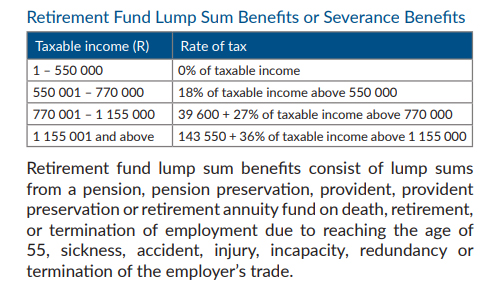
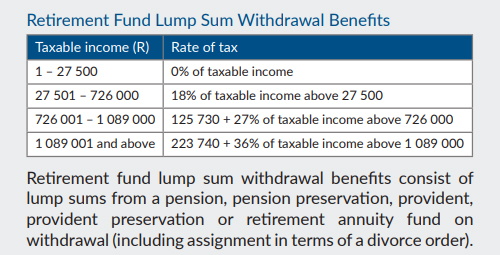
“We are also proposing additional tax measures to ease the financial burden on households and businesses, by adjusting personal income tax brackets and rebates fully in line with inflation.” (Minister of Finance Enoch Godongwana)
How much will I save if I sell my house?
A big highlight for property sellers and buyers is that, having remained unchanged since 2012, the primary residence exclusion for Capital Gains Tax has been increased from R2 million to R3 million. In addition, the annual CGT exclusion has been increased for individuals by 25% from R40,000 to R50,000, and for deceased estates by 47% from R300,000 to R440,000.
The big win is that when you sell your primary residence (the home you live in), the first R3 million capital gain is now excluded from CGT.
Have a look at the illustrative savings calculation below:
Primary residence CGT exclusion: R2m vs R3m
Transfer duty threshold unchanged
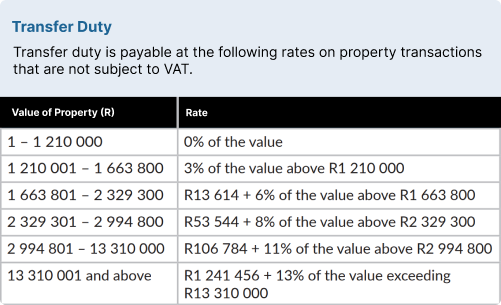
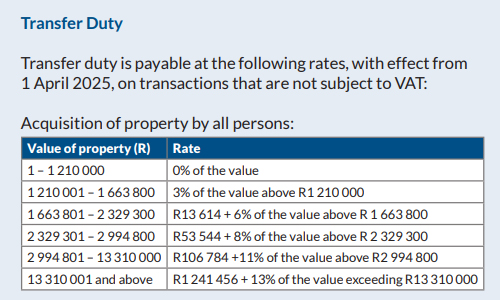
Unchanged from last year, you pay no transfer duty if the property you are buying sells for at (or below) the set threshold of R1,210,000.
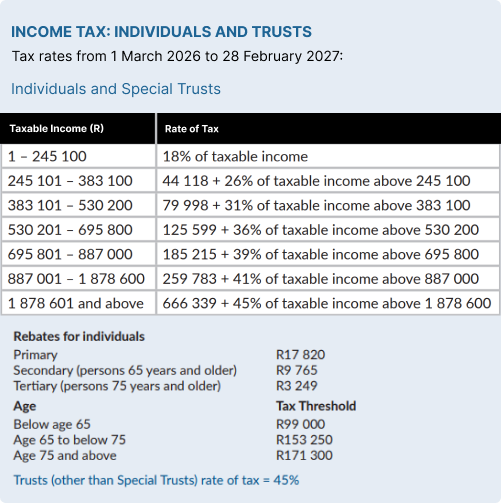
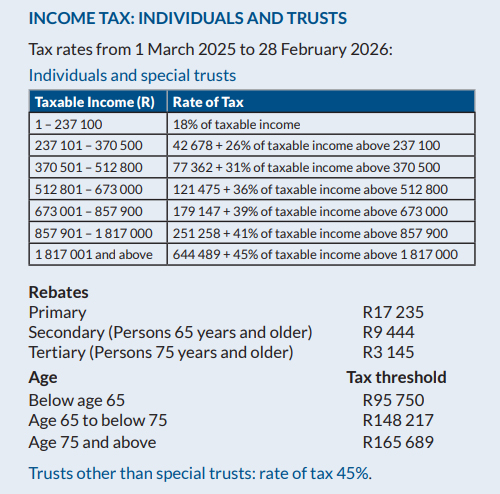
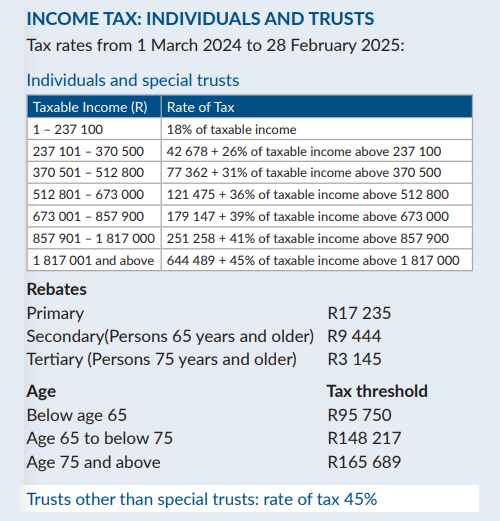
Individual taxpayers:Your tax rates (and the associated rebates and medical tax credits) are increased in line with inflation. That’s welcome relief after last year’s unchanged tax tables which resulted in “fiscal drag” (also referred to as “bracket creep”) for anyone receiving a salary increase that pushed them into a higher tax bracket.
Trusts: Special trusts are by and large taxed as individuals, but other trusts are taxed at a flat rate of 45% – also unchanged from last year.
Disclaimer: The information provided herein should not be used or relied on as professional advice. No liability can be accepted for any errors or omissions nor for any loss or damage arising from reliance upon any information herein. Always contact us for specific and detailed advice.
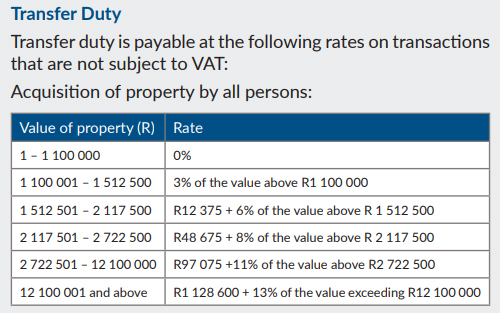
You pay no transfer duty if the property you are buying sells for less than the set threshold. The threshold wasn’t increased last year, so this year’s proposed 10% increase from R1,100,000 to R1,210,000 (from 1 April) is a welcome adjustment for inflation.
With all the brackets adjusted upwards by 10% as per the table below, properties at every level become that much more affordable to buyers, and by extension sellers will also benefit.
The proposal to increase VAT from 15% to 16% over two years, with a 0.5% hike planned to take effect on 1 May 2025 and the other 0.5% on 1 April 2026, has met with fierce resistance from business, consumers and trade unions – and from the opposition benches in parliament.
As to when we can expect clarity on whether government will be able to muster enough support in parliament to convert this and its other proposals into law, we are sailing in uncharted waters and only time will tell. Hold thumbs!
The unchanged tax tables, and no new taxes
Individual taxpayers: Your tax rates (and the associated rebates and medical tax credits) are unchanged, so we can at least be thankful that there were none of the major increases that had been hinted at.
What will hurt us is that for the second consecutive year there is no inflation adjustment to the tax brackets, which means that “fiscal drag” (also referred to as “bracket creep”) will leave you paying more tax if you receive an increase – particularly if it pushes you into a higher tax bracket.
Trusts: Special trusts are by and large taxed as individuals, but other trusts are taxed at a flat rate of 45% – again unchanged from last year.
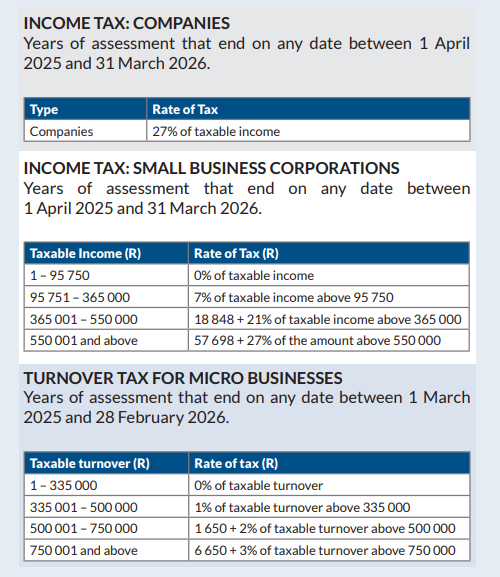
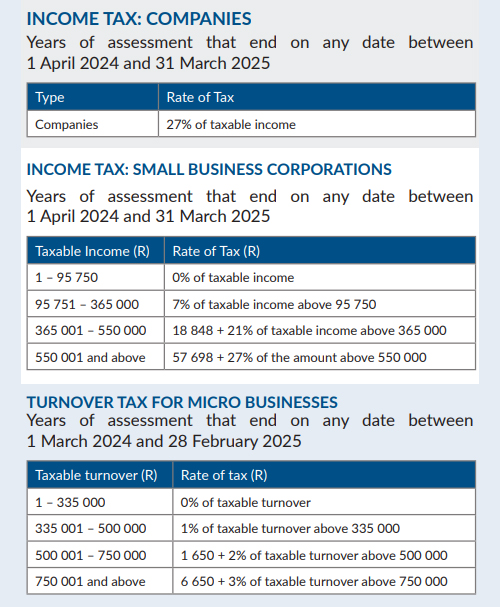
Corporate and other taxes: Corporate and dividend tax rates, capital gains taxes, donations tax and estate duty all remain unchanged. With all the pre-Budget speculation about possible increases in these taxes, perhaps coupled with a new wealth tax and/or new taxes to fund the NHI (National Health Insurance), this is good news.
How much will you be paying in income tax, petrol and sin taxes? Use Fin 24’s four-step Budget Calculator here to find out.
Note: There is (at time of writing) uncertainty as to whether or not the Minister will proceed with his proposed tax changes – even if he fails to garner sufficient political support to ultimately ensure their adoption by parliament. If he does proceed, it’s equally unclear how long they will be valid for. Regardless, expect a lot of political manoeuvring and perhaps some major changes in the weeks ahead!
Disclaimer: The information provided herein should not be used or relied on as professional advice. No liability can be accepted for any errors or omissions nor for any loss or damage arising from reliance upon any information herein. Always contact us for specific and detailed advice.
How much will you be paying in income tax, petrol and sin taxes? Use Fin 24’s four-step Budget Calculator here to find out.
The unchanged transfer duty and tax tables, with a note on fiscal drag
Unchanged from last year, so taxpayers can breathe a sigh of relief that rates have not been increased as many forecasters had feared.
But the other side of the coin of course is that there is no inflation adjustment to the rates this year, which means that “fiscal drag” will leave you paying more tax if your inflation-linked increase pushes you into a higher tax bracket. Effectively, the buying power of your net income will fall. Plus if your property has increased in value into a higher threshold, your buyer will pay more transfer duty.
The proposed “two-pot” retirement reform: Per National Treasury:“Early access to retirement funds – “The two-pot retirement system will allow retirement fund members to make withdrawals from their retirement funds while they are still active members, so members need not resign to access part of their retirement benefits. … This reform is proposed to come into effect on 1 September 2024. The National Treasury aims to finalise the legislative process rapidly in the next few months to ensure that industry and regulators can prepare for implementation. Policy research and engagement continues on the outstanding auto-enrolment, mandatory enrolment and consolidation retirement reforms.”
The proposals and their tax implications are complex and subject to change, but currently provide for a one-off withdrawal of up to R30,000 on implementation, and thereafter annual “savings withdrawal benefits”.
Disclaimer: The information provided herein should not be used or relied on as professional advice. No liability can be accepted for any errors or omissions nor for any loss or damage arising from reliance upon any information herein. Always contact your professional adviser for specific and detailed advice.
“The future of money is digital currency” (Bill Gates)
If you are thinking of buying – or have bought – any “crypto asset” such as a cryptocurrency like Bitcoin, Ethereum, Polkadot, Solana (or any of the many other crypto currencies springing up all over the place), be aware of the tax implications.
As a start, read the new SARS webpage “Crypto Assets and Tax” here, first published on 27 August 2021 and providing guidance on (at date of writing – expect this webpage to evolve!) these questions –
What is it?
How did we get here?
Do I need to pay tax on crypto assets?
How will it work? (With an example of the ITR12 Income Tax Return for the 2020/21 tax year)
How is SARS tracing crypto asset transactions?
There are still grey areas here – and many pitfalls – so be sure to take specific professional advice!
Disclaimer: The information provided herein should not be used or relied on as professional advice. No liability can be accepted for any errors or omissions nor for any loss or damage arising from reliance upon any information herein. Always contact your professional adviser for specific and detailed advice.
“If you fail to plan, you are planning to fail” (Benjamin Franklin)
We have all been battered by the economic fallout from the lockdowns. Now more than ever before we should pro-actively take control of and manage our finances through the crisis. A personal financial plan is key here. Without a plan we will drift aimlessly through 2021’s uncharted and perilous waters – a recipe for disaster.
Fortunately putting together a workable plan is not rocket science, and there are many online resources to help. See for example Business Maverick’s article “Your practical 2021 financial year planner” here – a simple and useful guide to tackling your personal finances month-by-month.
Disclaimer: The information provided herein should not be used or relied on as professional advice. No liability can be accepted for any errors or omissions nor for any loss or damage arising from reliance upon any information herein. Always contact your professional adviser for specific and detailed advice.
If you are one of the many employees retrenched or put on short pay or unpaid leave as a result of the COVID-19 crisis and lockdown, you will be wondering how to cover the monthly instalments on your mortgage bond and other credit agreements. You have no doubt heard of the “payment holidays” banks are offering, but remember that although these are a lot better than losing your house, car etc, they are no free lunch. Interest and fees will still be building up.
Credit life insurance is not just death cover
That’s why you need to check right now whether or not any of your credit agreements are covered by “credit life insurance”. Many people don’t even realise they have this cover in place, and those that do may look at the “life” part of the name and think “well that’s no good to me or my family, I’m unemployed not dead”. The good news there is that most policies cover a host of other events leaving you unable to pay instalments – see below for more.
Do you have cover?
You may well have this cover in place without even realising it because it is commonly required when you take out any form of credit – think mortgage bonds, vehicle finance, credit cards, retail credit (store cards etc) and so on.
If you aren’t sure, check your latest bond or credit statement for any sign of an insurance premium deduction (it may be called “balance protection” or the like). Then contact the bank (or whichever credit grantor you are with) and ask them to check. You may not have it for example if at the time you ceded another life policy to the credit grantor.
What are you covered for?
Check what the terms of your particular policy are, but the minimum cover required by National Credit Act Regulations (which only affect credit agreements entered into on or after 9 August 2017) is –
Death or permanent disability: The outstanding balance of your total obligations under the credit agreement is covered.
Unemployment or inability to earn an income: You are covered until you find employment or are able to earn an income, with a maximum of 12 months’ instalments.
On temporary disability: You are covered until you are no longer disabled, with a maximum of 12 months’ instalments.
Exclusions – the Regulations allow a long list of exclusions to be incorporated in your policy so check which apply to you. Most of them are common sense – for example lawful dismissal, retirement or resignation from employment – but if you are told that a particular exclusion applies to you and you don’t agree ask your professional advisor for advice before conceding anything. Employers may be able to assist in this regard when structuring crisis outcomes with staff, but remember to do so only after taking your own legal advice!
Self-employed people and pensioners should check what cover they have under their particular policy, and what terms apply to them.
Disclaimer: The information provided herein should not be used or relied on as professional advice. No liability can be accepted for any errors or omissions nor for any loss or damage arising from reliance upon any information herein. Always contact your professional adviser for specific and detailed advice.
We use cookies on our website to give you the most relevant experience by remembering your preferences and repeat visits. By clicking “Accept All”, you consent to the use of ALL the cookies. However, you may visit "Cookie Settings" to provide a controlled consent.
This website uses cookies to improve your experience while you navigate through the website. Out of these, the cookies that are categorized as necessary are stored on your browser as they are essential for the working of basic functionalities of the website. We also use third-party cookies that help us analyze and understand how you use this website. These cookies will be stored in your browser only with your consent. You also have the option to opt-out of these cookies. But opting out of some of these cookies may affect your browsing experience.
Necessary cookies are absolutely essential for the website to function properly. This category only includes cookies that ensures basic functionalities and security features of the website. These cookies do not store any personal information.
Any cookies that may not be particularly necessary for the website to function and is used specifically to collect user personal data via analytics, ads, other embedded contents are termed as non-necessary cookies. It is mandatory to procure user consent prior to running these cookies on your website.